
Not all snoring is the same. Some snoring is just noise. Some snoring is a warning sign. We hear this question a lot from patients in our Dallas office: “My partner says I snore like a freight train. Should I be worried?” The short answer is maybe. Let us explain the difference between everyday snoring and something more serious called sleep apnea.
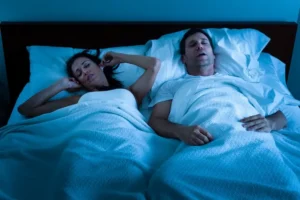
The Simple Truth About Regular Snoring
Regular snoring happens when air cannot move freely through your throat while you sleep. The tissues in your airway relax and vibrate against each other. That vibration makes the sound we call snoring.
Common causes of regular snoring include:
- Sleeping on your back
- Having a stuffy nose from allergies or a cold
- Drinking alcohol before bed
- Being a little overweight
This type of snoring is usually harmless. It might keep your partner awake, but it is not dangerous to your health. Changing your sleep position or treating your allergies often fixes the problem.
When Snoring Points to Sleep Apnea
Sleep apnea is different. The word “apnea” means “without breath.” People with sleep apnea actually stop breathing for short periods during the night. Sometimes dozens of times per hour.
Here is what happens: your throat muscles relax so much that your airway collapses or gets blocked. Your body wakes up just enough to gasp for air. You probably will not remember waking up. But your body never gets the deep, restful sleep it needs.
The most common type is called obstructive sleep apnea, or OSA.
Five Red Flags That Suggest Sleep Apnea
Regular snoring is annoying. Sleep apnea is exhausting and dangerous. Watch for these signs:
- You stop breathing during sleep. Your partner might notice that you snore loudly, then go silent, then gasp or choke before starting again.
- You wake up with a dry mouth or sore throat. This happens because you have been breathing through your mouth all night while struggling for air.
- You are tired all day. Not just “I need more coffee” tired. We mean falling asleep at stoplights or struggling to stay awake at your desk.
- You wake up with headaches. The drop in oxygen during the night can trigger morning headaches that fade after an hour or two.
- Your partner says you sound like you are choking. This is the biggest red flag. Choking or gasping sounds mean your body is fighting to breathe.
Why Sleep Apnea Matters
Untreated sleep apnea does more than make you tired. It puts stress on your heart and brain. Over time, it raises your risk of high blood pressure, heart attack, stroke, and even memory problems.
The good news is that treatment works. And treatment does not always mean a CPAP machine.
A Different Solution That Fits Your Life
Many people with sleep apnea cannot tolerate a CPAP mask. We understand completely. That is why Dr. Huckin offers oral appliance therapy right here in our Sherry Lane office.
An oral appliance looks like a sports mouthguard or an orthodontic retainer. You wear it in your mouth while you sleep. It holds your jaw slightly forward to keep your airway open. No mask. No hose. And no machine humming all night.
Patients tell us they adjust to an oral appliance in just a few nights. And once they start sleeping better, they feel like a different person.
What to Do Next
If you or your partner suspect sleep apnea, start by talking to your regular doctor. They may order a sleep study to confirm the diagnosis. Then come see us. We will work with your doctor to create an oral appliance that fits your mouth and your life.
A good night’s sleep is not a luxury. It is essential for your health. And we can help you get there.